

Since 2025, reports of drink spiking have increased across the U.S., with 50% of surveyed individuals reporting they have had their drink spiked at least once, according to CounterSpike. Another survey of 6,000 students across three U.S. universities found that 7.8% of respondents self-reported having been drugged.
According to Alcohol.org, an estimated 320,000 rapes and sexual assaults occurred in 2016, with 11.2% involving college students.
The Tampa Bay region is home to several universities and a thriving nightlife scene. Concerns about drink spiking extend south to Sarasota, where the website SpikedInSarasota.com tracks reported incidents. In June alone, three separate drink-spiking incidents in Bradenton were reported to the site.
As awareness of the issue grows, prevention tools such as drink-testing strips, protective drink covers and other safety products have become more widely available.
In 2021, a NightCap drink cover created by two University of Tampa students gained national attention after receiving an investment offer on Shark Tank.
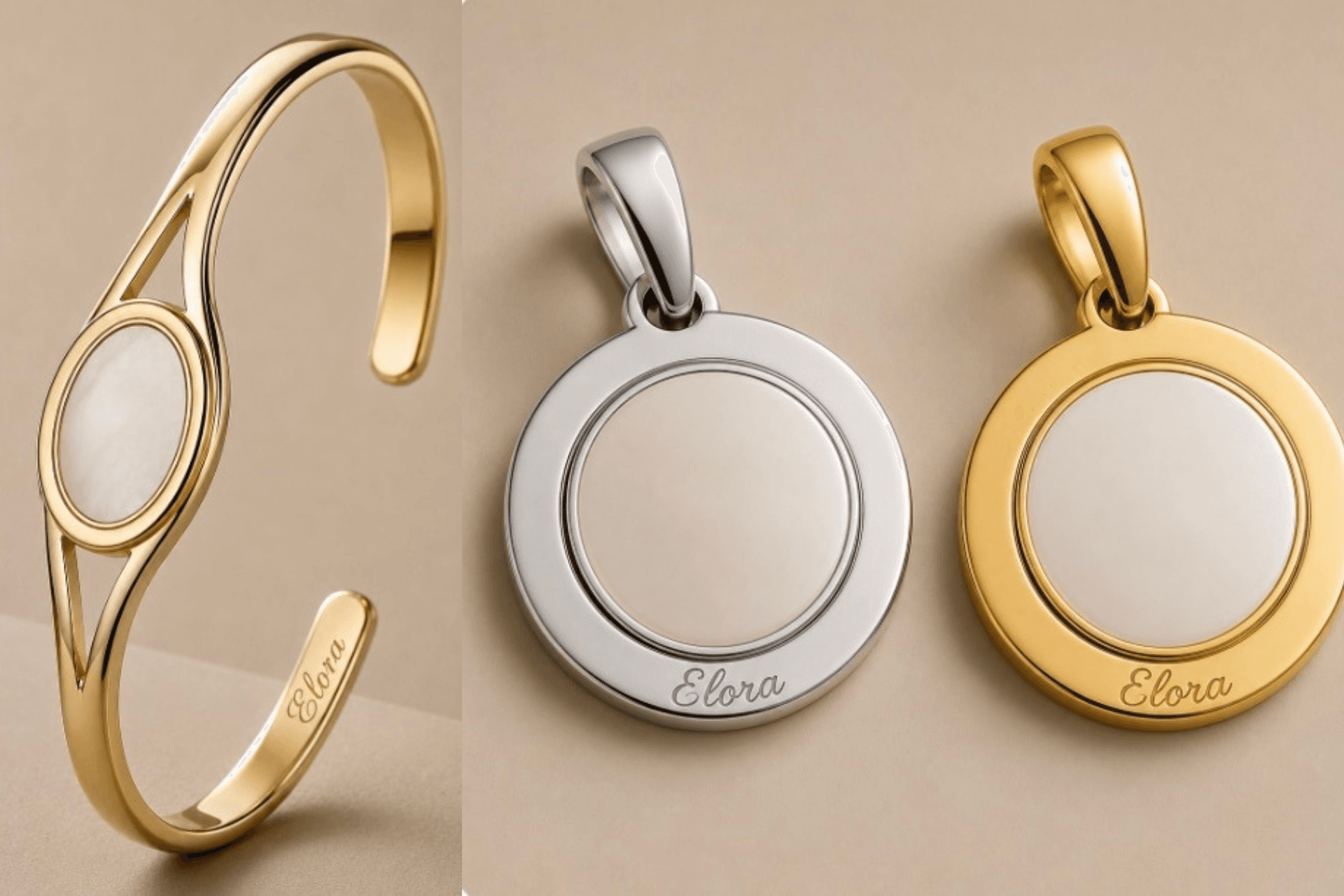
Now, in 2026, two recent college graduates, one from the University of South Florida (USF), are taking a different approach to addressing the issue. Their solution uses discreet sensors built into jewelry to help detect drink tampering.
Co-founders Addison Bounds and Kiara Robichaud developed Elora, an app that pairs with an electrochemical analytical sensor embedded in a bracelet, pendant or charm.
"Drink covers and test strips can feel a bit invasive or unnatural, preventing people from using them," Bounds said. "Our design is meant to be more discreet so women feel comfortable protecting their drinks without standing out."
Elora recently completed its first prototype and is preparing to enter the testing phase.
"The biggest thing we are trying to put at the forefront is emphasizing the issue and the need for all hands on deck to bring the community together to fight this," Bounds said. "We need to create a community in Tampa, and beyond, that acknowledges this problem. Primary prevention is the only way to stop this from happening and prevent harm."
When a customer purchases a sensor, they will download the Elora app and enter emergency contacts who can best support them if the sensor detects drink tampering.
Next, the user inserts a small SIM card into the sensor before heading out. At the bar or restaurant, the wearer places a drop of their drink on the sensor and waits for the results.
The sensor can currently detect several drugs commonly referred to as "date rape drugs," including GHB (gamma-hydroxybutyrate), Rohypnol (flunitrazepam) and Ketamine.
"Ideally, you are looking at about 30 seconds to run a test, but we are working to make it even faster so users can get results before consuming their drink," Robichaud said.
If the test detects possible drink tampering, the wearer's live location is automatically sent to their designated emergency contacts.
"There is a world where drink spiking doesn't happen, but we need a lot more accountability through laws, community involvement and education because it's lacking," Bounds said. "Education and prevention create lasting impacts, and that's what we're trying to communicate ahead of our launch."
The product is currently targeted toward women and will be available in several jewelry styles. However, Bounds said the company plans to expand with men's products and gender-neutral options.
"Women are more frequently targeted for sexual assault, while men are often targeted for theft," Bounds said. "Drink spiking is also very prevalent in the LGBTQ+ community."
Someone whose drink has been spiked may begin experiencing physical and mental symptoms within 10 to 20 minutes, according to Tampa Outpatient Detox. One of the most significant effects is memory loss or amnesia. Other symptoms may include slurred speech, nausea, respiratory depression and unconsciousness.
If you or someone you know believes they have been drugged while out, call 911 immediately. Victims can also contact the Crisis Center of Tampa Bay by dialing 211 for support.