

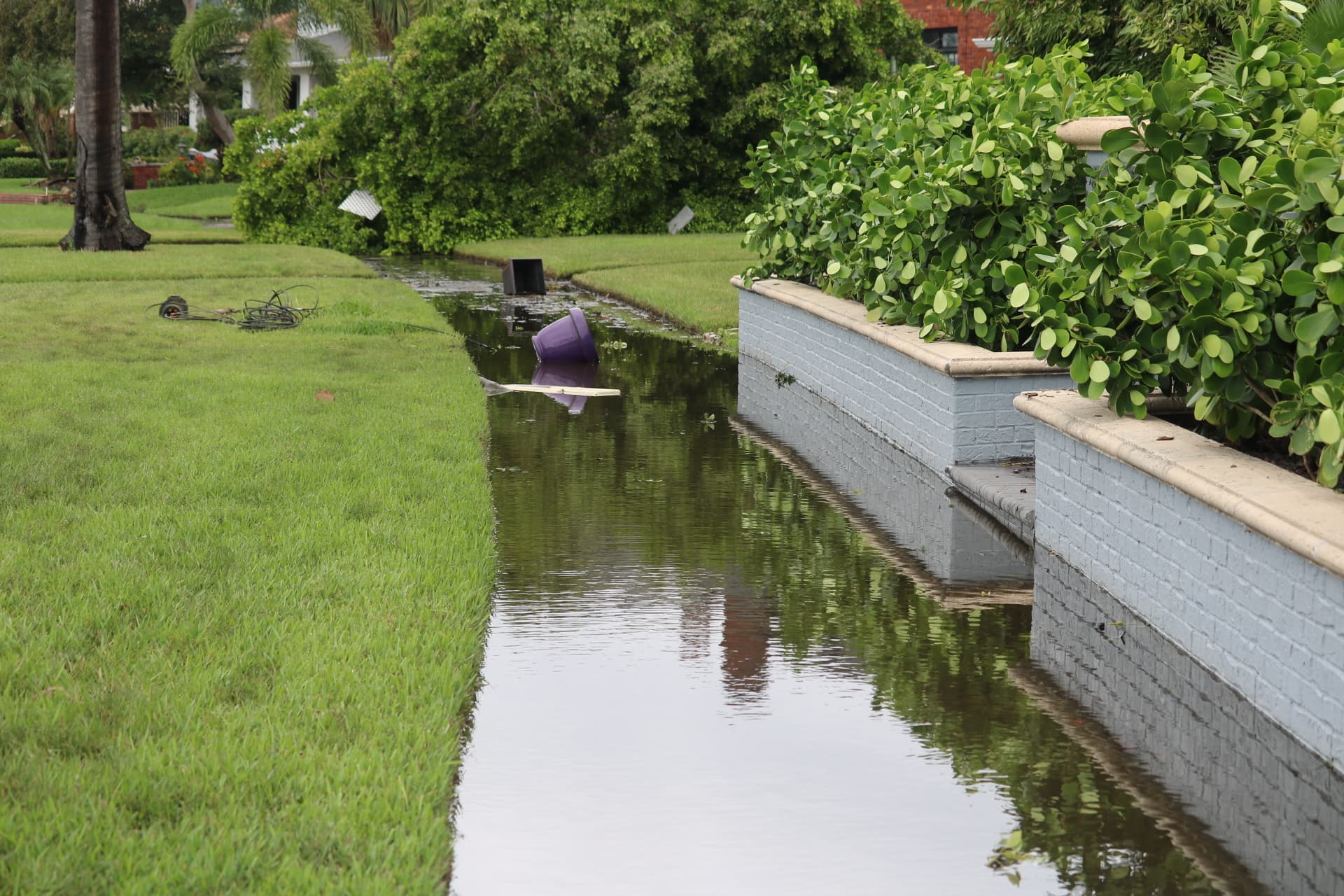
Hurricane season may be calm across the Atlantic, but Florida’s rainy season is bringing its own set of challenges. Frequent storms and heavy rainfall can leave homeowners and renters dealing with flooding, water damage and one of the most common moisture-related problems: mold.
Terry Campbell, account manager for Rapid Recovery Team, wants to remind residents that significant damage can happen even without a major storm.
“It might not be a hurricane, but even when it rains every time there can be a significant chance of damage due to unforeseen and untreated water damage,” Campbell said. “We want to assist clients by remind them to be proactive and get ahead.”
Campbell said his company has been especially active in flood-prone areas, including Shore Acres, Shell Island and St. Pete Beach.
To stay proactive, Campbell said residents should check their flood zones. Hillsborough County updated its flood maps this year, meaning some properties that were not previously in a flood zone may now be included. In Pinellas County, flood risk varies from low to high depending on location. Campbell encourages residents throughout the Tampa Bay area to review their county's flood maps to see if their property's designation has changed.
Over the past week, local news outlets have reported intense street flooding, and residents have submitted concerns through the Coastal Master Plan process to help identify vulnerable areas and develop solutions.
Until long-term solutions are implemented, Campbell said residents can take steps now to prepare.
Some preventative tips include using free sandbag pickup sites, becoming familiar with their home’s electrical system in case power needs to be shut off, lowering pool water levels during rainy season to prevent overflow and considering flood insurance.
“If you live in a flood zone, the best way to prepare for these scenarios is to get a storage unit to protect personal belongings and artifacts,” Campbell said. “We have also seen a lot of people get driveways raised or put beams under cars to lift them.”
While it can be difficult to prevent every flooding scenario, Campbell recommends residents who experience flooding to act quickly by getting a mold inspection and working with their insurance company to begin remediation efforts.
“We recommend getting an inspection every hurricane season or quarterly,” Campbell said.
Mold grows indoors when moisture and carbon sources are present. The Centers for Disease Control and Prevention said no indoor environment is completely free of mold spores.
While some residents may notice a musty smell or experience health concerns, there are currently no health or exposure-based standards that determine whether mold is growing in a home.
The Florida Department of Health recommends residents look for visible mold growth, signs of moisture or water damage, standing water near air conditioners or furnaces, and regularly inspect evaporator coils, drain pans and drain lines.
“Never be too busy to make sure you’re doing the little things that will cause big things,” Campbell said. “I get clients who say they thought they had a leak and then life gets busy. Two days goes by, then a week goes by, and what could have been fixed themselves or for cheaper is now costing $5,000 in repairs.”
During rainy season, Florida’s humidity levels also increase, creating additional conditions for mold growth. The Florida Department of Health recommends keeping indoor humidity levels below 60% and properly ventilating areas where moisture can build up.
During hurricane season, Rapid Recovery Team is offering free mold and water damage inspections to help residents make sure their homes are prepared if a major storm does impact the area.