

TAMPA — If Citizens Property Insurance covers your home, a new bill may be coming, even if you live nowhere near the water.
Starting Jan. 1, Florida's state-backed insurer will require flood coverage on every new personal residential policy that includes wind coverage, regardless of the home's flood zone or value. Existing Citizens customers have to meet the requirement when their policy renews. It's the final phase of a state law that has been phasing in since 2023, and it reaches tens of thousands of Tampa Bay homeowners, FOX 13 reported.
Why now
Under the law, Citizens first required flood policies for homes in FEMA's high-risk flood areas. Homes outside those areas were added in steps by value, starting with houses worth $600,000 or more in 2024, then $500,000 in 2025 and $400,000 this year, according to Citizens' published schedule. On Jan. 1, the value threshold disappears.
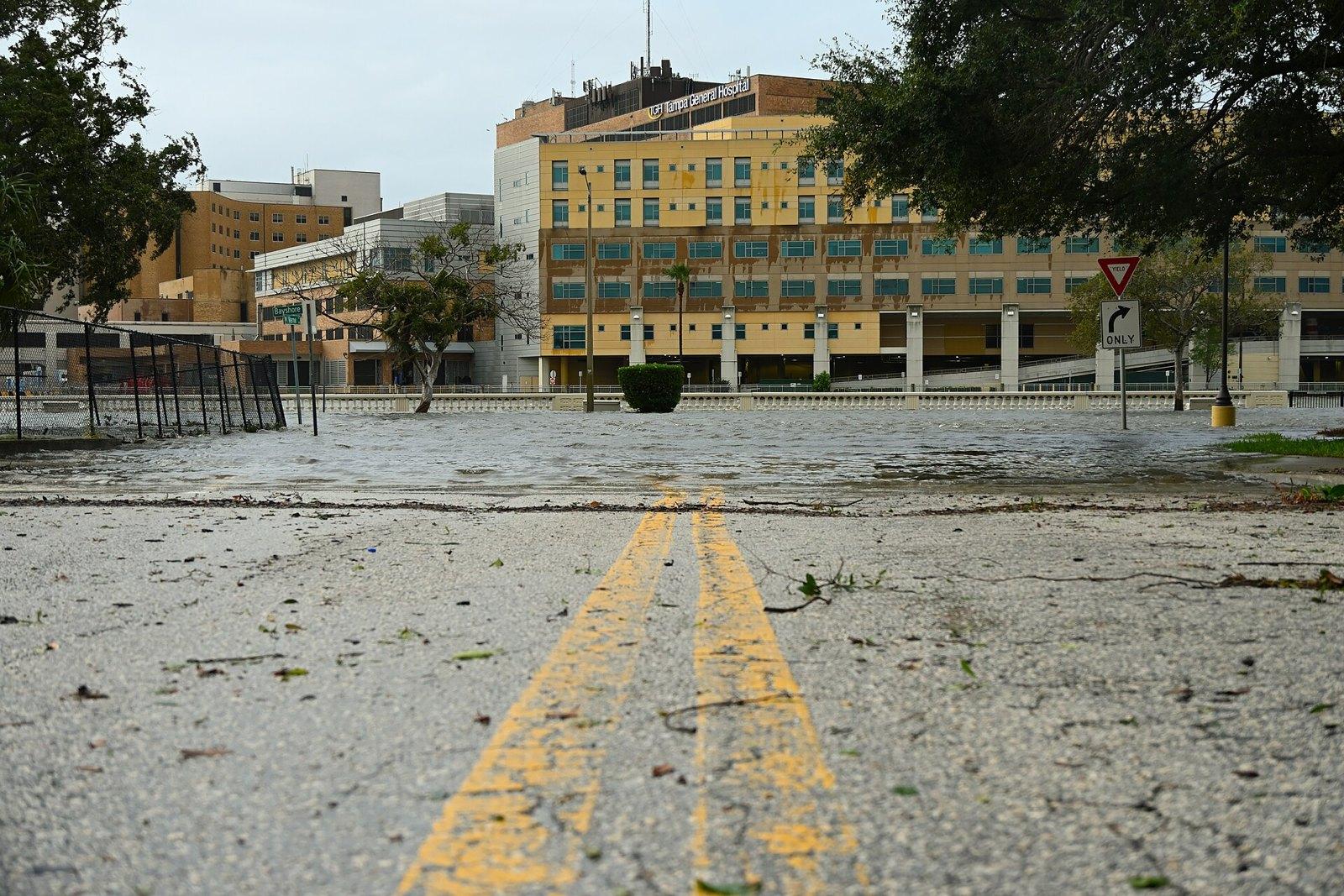
Citizens says the point is that flood maps don't capture all the risk. "What we found after hurricanes and what we're seeing this week on the other side of the state with the massive rains that have been happening over in Brevard County and along the space coast there, a lot of customers who don't live in flood zones are seeing that their properties are getting flooded out this week," Citizens spokesperson Michael Peltier told FOX 13.
Who has to buy it, and who doesn't
- Required: Citizens personal residential policies that include windstorm coverage. New policies need flood coverage starting Jan. 1. Current customers need it at their next renewal on or after that date, not necessarily on Jan. 1.
- Exempt: condominium unit-owner policies, renters' (tenant contents) policies, and policies that exclude windstorm or hail coverage, according to Citizens.
How much coverage you need
For a home's structure, Citizens requires flood coverage at least equal to the dwelling limit on your Citizens policy, known as Coverage A. If that much isn't available through the National Flood Insurance Program, Citizens will accept the maximum NFIP coverage you qualify for. Under the NFIP's regular program, that is $250,000 for the building.
What it will cost isn't clear yet. Citizens hasn't said how much premiums will rise for individual homeowners, because the price depends on where a home is located, FOX 13 reported. The insurer has been sending reminders so customers have time to budget before renewal.
What to do now
Consumer advocates say the most important step is to shop, and to compare more than the price.
"If you're shopping around for flood insurance, you will have access to flood insurance through the National Flood Insurance Program, which is a government program. We also urge people to compare that cost and coverage with a policy from a private insurance company that will sell you a private flood insurance policy. But remember, it's really important to compare both coverage and cost because they can look wildly different," said Emily Rogan, a senior program officer with the nonprofit United Policyholders.
- Check your renewal date. That's your real deadline.
- Call your agent soon. Ask for quotes from both the NFIP and private flood carriers. You can also find NFIP agents through FEMA's FloodSmart site.
- Read what's covered. Some policies cover only rebuilding the structure. Others also cover belongings or temporary living costs.
- Mind the holiday. Citizens offices are closed Wednesday through Friday, Nov. 25-27, for Thanksgiving and reopen Monday, Nov. 30, according to Citizens' website. Claims can still be reported 24/7 through myPolicy or at 866-411-2742.
Not a Citizens customer? The requirement doesn't apply to private insurers, but the same advice holds. A standard homeowners policy doesn't cover flood damage, and a flood zone map isn't a promise your street stays dry.