

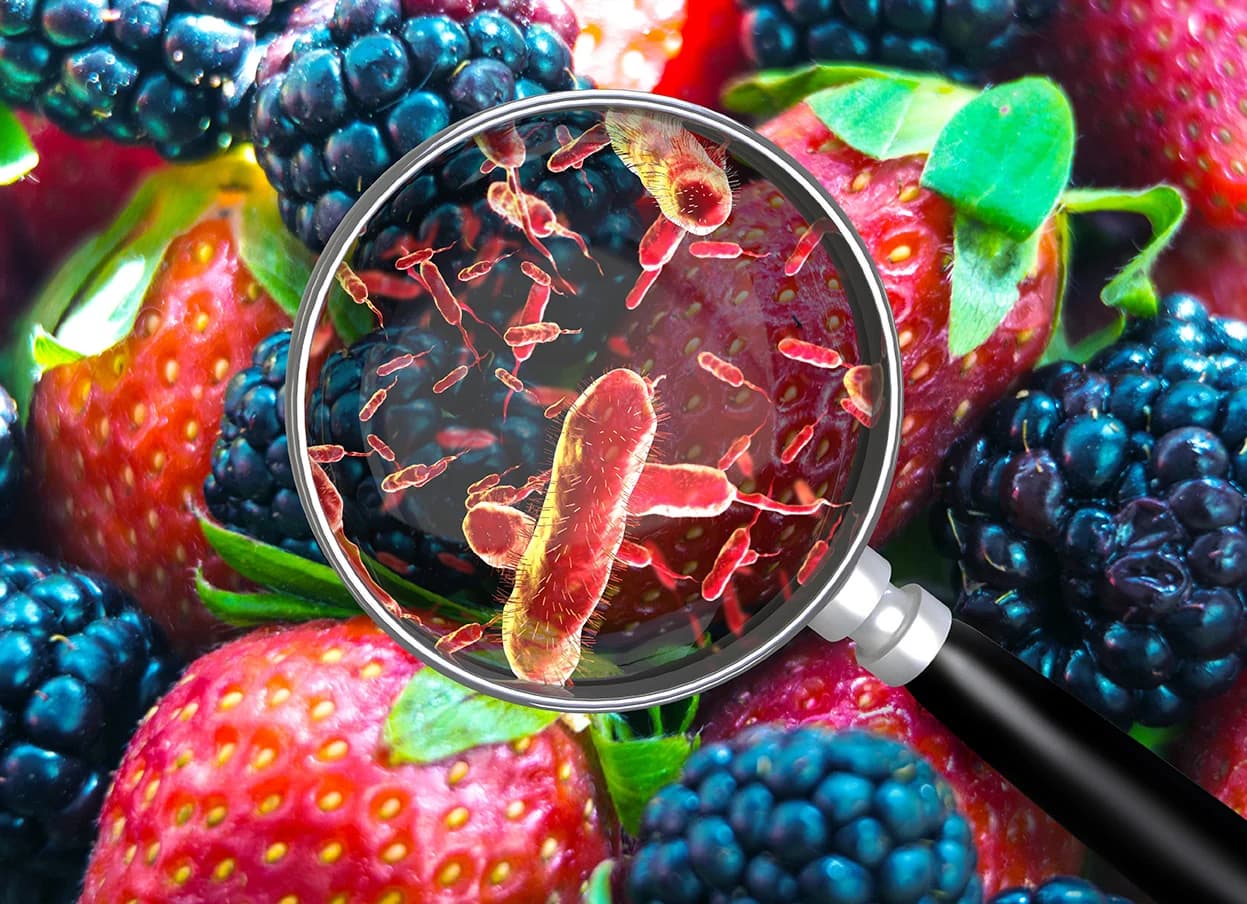
The Centers for Disease Control and Prevention (CDC) reported 145 cases of cyclosporiasis in the United States from May 1 through June 27, with cases confirmed in 17 states, including Florida.
According to the CDC, 20 people have been hospitalized, and no deaths have been reported.
The Florida Department of Health reported 35 confirmed cases of cyclosporiasis statewide from May 1 through June 27, 2026. Five of those cases were reported in the Tampa Bay area:
Hillsborough County: 2 cases
Pasco County: 1 case
Polk County: 2 cases
The CDC said people become infected by consuming food or water contaminated with the parasite Cyclospora cayetanensis. Cases typically increase during the spring and summer, with cyclosporiasis season running from May 1 through Aug. 31.
"Cyclospora does not exist in the U.S.. It is imported in contaminated foods," said Jill Roberts a professor in the College and Public Health at the University of South Florida.
Symptoms and treatment
Cyclosporiasis is an intestinal illness caused by the parasite Cyclospora cayetanensis. It commonly causes watery diarrhea, frequent and sometimes severe bowel movements.
"The disease is annoying, but rarely is it serious. The infection causes long-lasting diarrhea which can be described as explosive. There is a lot of gas produced, causing abdominal pain, passing gas and even burping." Roberts said.
Without treatment, symptoms can last from several days to a month or longer and may return multiple times.
Healthcare providers diagnose cyclosporiasis by testing stool samples and can prescribe the antibiotics trimethoprim-sulfamethoxazole, sold under brand names including Bactrim and Septra.
The CDC said most people with healthy immune systems will eventually recover without treatment, but they may remain sick for a longer period.
Prevention
"The culprit is always produce and past outbreaks have been caused by cilantro, basil, snow peans, and a variety of berries," Roberts said.
The CDC recommends washing hands with soap and water before and after handling fresh fruits and vegetables.
When preparing produce, wash fruits and vegetables thoroughly under running water. Firm produce, such as melons and cucumbers, should be scrubbed with a clean produce brush. The CDC also recommends cutting away any damaged or bruised areas and refrigerating cut, peeled or cooked fruits and vegetables as soon as possible.