
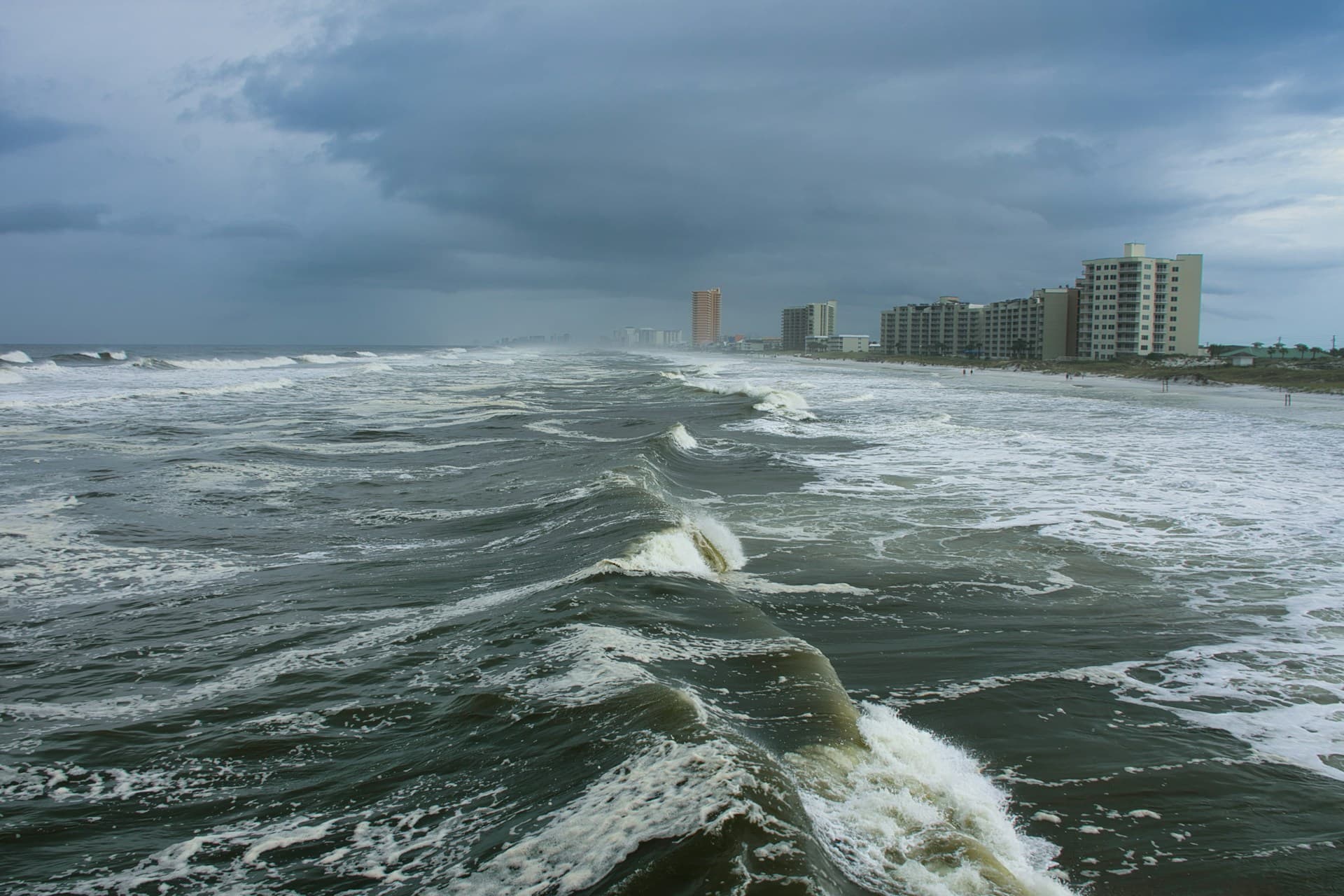
The 2025 Atlantic hurricane season officially commenced Sunday, June 1, bringing renewed concerns for Florida residents still recovering from last year's devastating storms, most notably Hurricanes Helene and Milton. The season extends through November 30, with meteorologists predicting another potentially busy period of tropical activity.
The National Oceanic and Atmospheric Administration (NOAA) released its annual seasonal outlook in May, forecasting between 13 and 19 named storms for the upcoming season. Of those, officials expect 6 to 10 will strengthen into hurricanes, with 3 to 5 potentially reaching major hurricane status with sustained winds of at least 111 mph.
The first storm of 2025 will be named Andrea, followed by Barry, Chantal, and newcomer Dexter. The name Dexter replaces Hurricane Dorian, which was retired following the 2019 season that brought significant destruction to the Bahamas and the southeastern United States.
Weather experts note that early season predictions carry uncertainty, with actual storm development dependent on numerous atmospheric and oceanic factors. The current status of the El Niño-Southern Oscillation remains in flux, having transitioned from a La Niña phase in late 2024 toward neutral conditions expected to persist through much of 2025.
Emergency management officials stress the importance of preparation, regardless of seasonal forecasts, urging residents to assemble comprehensive disaster supply kits before any storms threaten the region. Essential supplies should include at least one gallon of water per person per day for at least three days, along with non-perishable food for the same duration.
Additional recommended items include battery-powered or hand-crank radios, flashlights, first aid supplies, extra batteries, and a whistle for signaling help. Officials also suggest keeping important documents such as birth certificates, insurance policies, and identification in waterproof containers or creating password-protected digital copies.
Pet owners should prepare separate emergency kits for their animals, including food, water, medications, and updated microchip information. Many emergency shelters cannot accommodate pets that are not service animals due to health and safety regulations, making advance planning for pet-friendly accommodations crucial.
Home preparation measures include clearing drains and gutters of debris, installing check valves in plumbing systems to prevent sewage backups, and considering hurricane shutters for windows. Property owners should also review their insurance policies well before any storms approach to understand coverage limitations and requirements.
Vehicle preparation also becomes essential for potential evacuations, with recommended supplies including flares, physical maps, jumper cables, extra gasoline containers, and warm blankets. Residents should familiarize themselves with their designated evacuation zones and evacuation routes before storm season peaks.
Emergency officials emphasize the critical distinction between weather advisories, watches, and warnings. Advisories indicate significant weather with limited widespread impacts, watches suggest dangerous conditions are possible and warrant preparation, while warnings mean severe weather is occurring and requires immediate action.
The 2025 season arrives as many Florida communities continue rebuilding from previous hurricane damage, highlighting the ongoing vulnerability of coastal and low-lying areas to storm surge and flooding. Emergency management agencies urge residents not to become complacent despite hurricane fatigue from recent active seasons.
Weather patterns suggest the season could range from relatively quiet to extremely active depending on how various atmospheric factors align over the coming months. Regardless of the ultimate storm count, officials stress that it takes only one hurricane making landfall to cause significant damage and disruption to affected communities.