

Rusty Williams spent 25 years in law enforcement, retiring as a detective in 2010. He'd been ordained as a Christian minister two years earlier. Now, with 11 books to his name and a growing following, he's using historical fiction to challenge how people think about early Christianity.
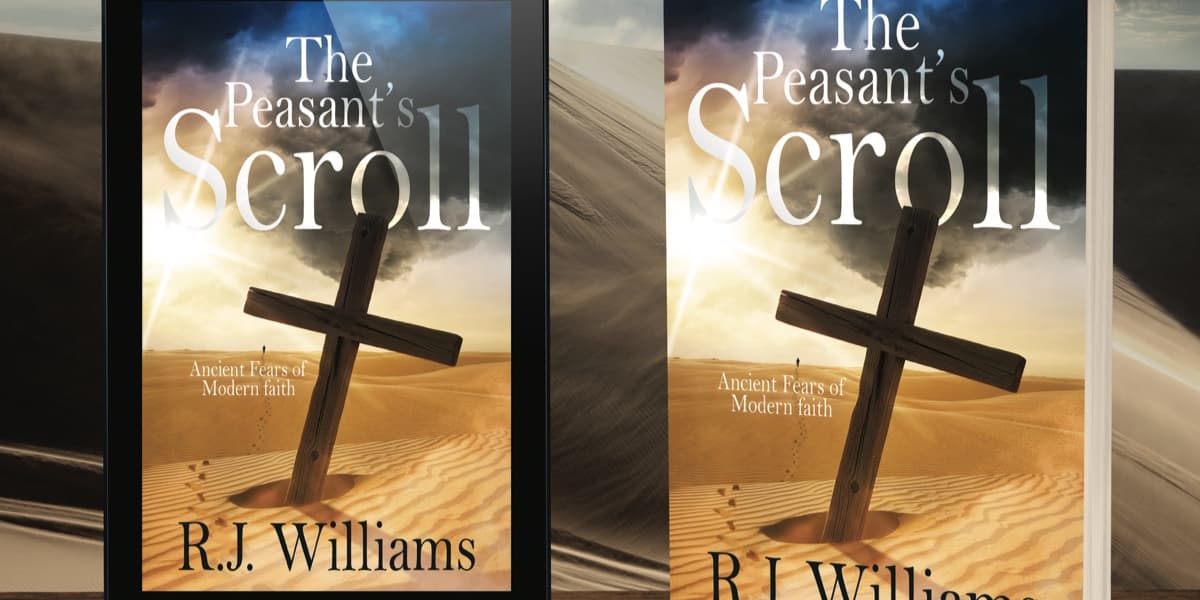
His latest work, "THE PEASANT'S SCROLL: Ancient Fears of Modern Faith," arrives February 2, 2026, following the 2025 release of "Moral Fractures." Both are novels, marking a shift in how Williams shares what he's learned from years of studying the New Testament from a historical rather than devotional perspective.
A Different Approach to Biblical History
Williams doesn't mince words about his mission. Through his historical fiction novels, he wants readers to see the historical Jesus as a real person, not just a figure in devotional texts. It's a departure from how most people encounter the Bible—through Sunday sermons and confessional interpretations.
His background gives him an unusual lens. With a Master of Divinity in pastoral counseling and a Doctor of Ministry in church development, Williams has the credentials. But it's his critical eye that sets his work apart. He argues that most Christians learn scripture from one angle, missing the historical context that makes the early apostles and their world come alive.
Writing Through Adversity
Williams lives with a spinal cord tumor, an orphan disease that's left him disabled. Instead of slowing down, he's channeled that experience into his writing and social media ministry, The Barefoot Ministries. The ministry isn't about conversion or preaching. Williams says he's simply honoring everyone's journey, offering a space for dialogue without judgment.
Several of his books have hit Amazon's #1 Best Seller and Hot New Release lists. But Williams measures success differently. He counts his family—two sons, grandchildren, and his wife—as his greatest achievement. The faith-based writing comes second.
Action Over Prayer
Williams has noticed something in his study of the gospels: Jesus rarely tells people to pray, but constantly tells them to act. It's become a central theme in his work and ministry. He believes the modern Church has drifted from this, finding it easier to offer thoughts and prayers than to do the actual work.
His future plans involve more books and more stories that present the New Testament through a historical lens. He's hoping to spark conversations about what it means to follow Jesus's example in practical terms. For Williams, Christianity should be less about what you say and more about what you do.
His former careers as a paramedic and police officer taught him about human nature under pressure. His ministry credentials gave him the theological framework. Now, through books that blend history with narrative, Williams is inviting readers to see ancient faith with modern eyes—and maybe, in the process, to act on what they find.