

The National Weather Service has designated May 3 through May 9 as Hurricane Preparedness Week, urging residents across the Mid-Atlantic and Southeast to begin preparing before hurricane season officially starts June 1.
Throughout the week, the agency is encouraging emergency management teams, public safety officials, local media and Weather-Ready Nation Ambassadors to help strengthen hurricane readiness and response efforts.
“Disasters don’t wait—and neither should we,” said Michael Brown, executive director of the Tampa Bay Chapter of the American Red Cross. “Preparing for hurricane season now helps protect lives, homes and the moments that matter most.”
Sunday: Know your risks of water and wind
Understanding storm surge and flood risks is a critical first step. Residents in Hillsborough County can use the county’s interactive map to determine whether their homes are in flood or evacuation zones.
The National Weather Service also advises homeowners and renters to identify potential structural vulnerabilities and address them before strong winds arrive.
Monday: Prepare before the season
Officials recommend creating an evacuation plan, including routes and a safe destination in case of a mandatory evacuation.
Residents should also build a disaster supply kit with essentials such as food, water, batteries, chargers, a radio and cash.
It’s important to review insurance policies and document personal belongings. Those seeking flood coverage can apply through the National Flood Insurance Program at floodsmart.gov. Policies typically require a 30-day waiting period before taking effect.
Tuesday: Understand forecast information
Staying informed is key during hurricane season. Residents should set up reliable ways to receive updates on storm tracks, rainfall and wind speeds.
"Watch means impacts are possible; a Warning means impacts are expected or happening. Different hazards and alerts require different responses," said The National Weather Service website.
A hurricane watch indicates possible conditions within the designated area, while a hurricane warning means those conditions are expected. Similar distinctions apply to tropical storms, storm surge alerts, floods and tornadoes.
Wednesday: Get moving when a storm gets worse
Having a long-term preparedness plan can help reduce damage and improve safety.
Residents are encouraged to prepare their homes by trimming tree branches, securing doors and windows, bringing loose outdoor items inside and moving vehicles to safe locations. If evacuating, unplug electrical equipment.
Thursday: Stay protected during storms and tornados
Remaining alert and monitoring official updates can help protect lives during severe weather.
"ANY tropical system is capable of producing tornadoes! Tropical tornadoes are often short lived but they can produced enhanced areas of damage. Sometimes these tornadoes can occur in the outer rain bands, well ahead of the center of the storm," said The National Weather Service website.
Friday: Use caution after storms
"Dangers remain even after the skies turn blue. This is NOT the time to put your guard down. Nearly half of hurricane fatalities occur after the storm," said The National Weather Service website.
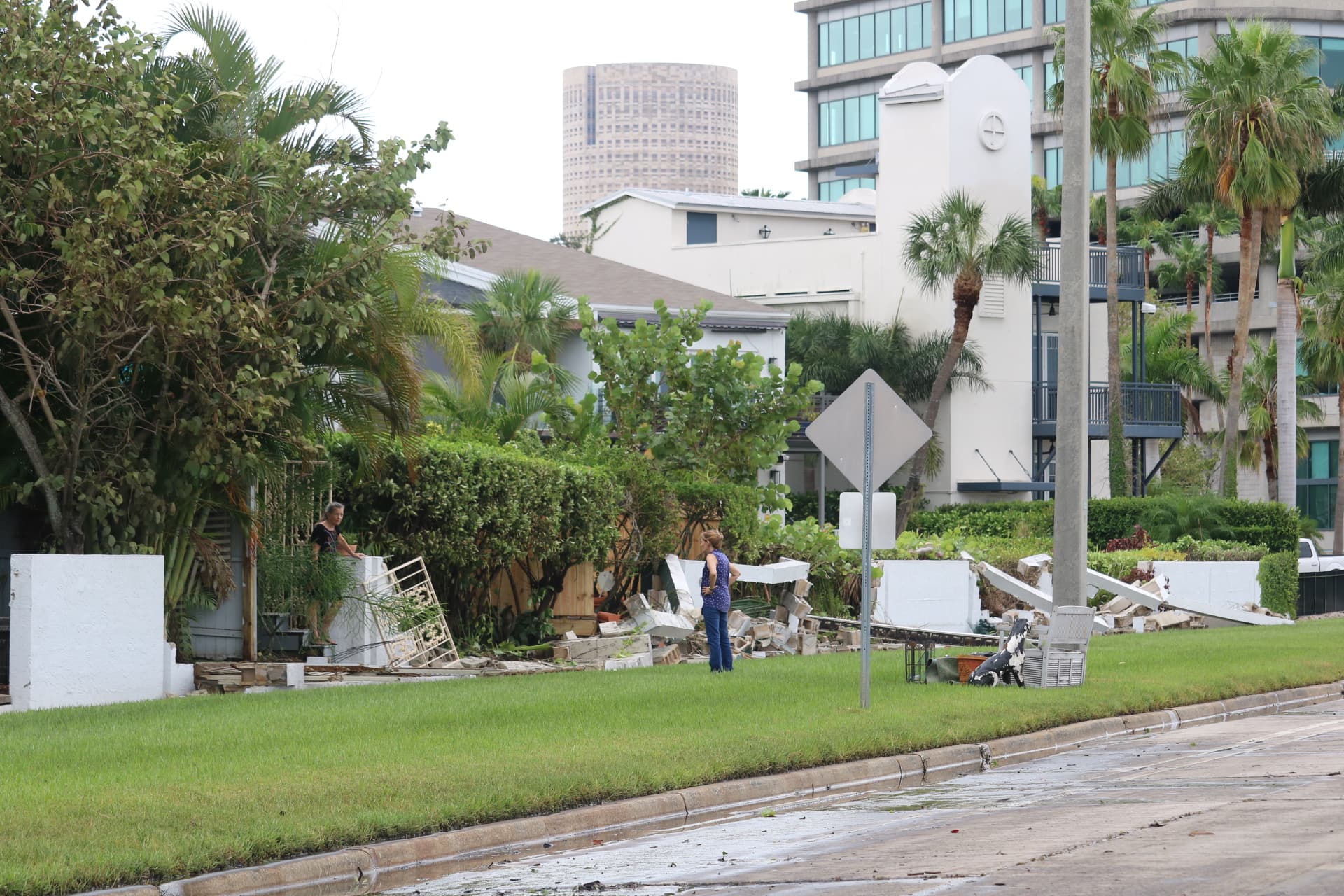
Residents should only return home when officials say it is safe, avoid downed power lines and stay clear of flooded roads and damaged buildings. Coastal areas may also experience dangerous rip currents and large swells even after a storm has passed.
Saturday: Take action today
Preparing ahead of hurricane season and understanding potential risks can help reduce damage and keep families safe.
Hillsborough County offers additional resources to help residents prepare and stay informed.
As of Aug. 1, 2025, Florida enacted a permanent year-round sales tax exemption on key disaster supplies. Residents can also sign up for HCFL Alerts to receive emergency notification.
Tampa Fire Rescue will also host a Hurricane Preparedness Expo on May 30 from 11 a.m. through 3 p.m., where residents can learn how to customize an emergency kit and receive sandbags. Sandbags are limited to 10 per family and must hav a valid driver license verifying residency within the city.