

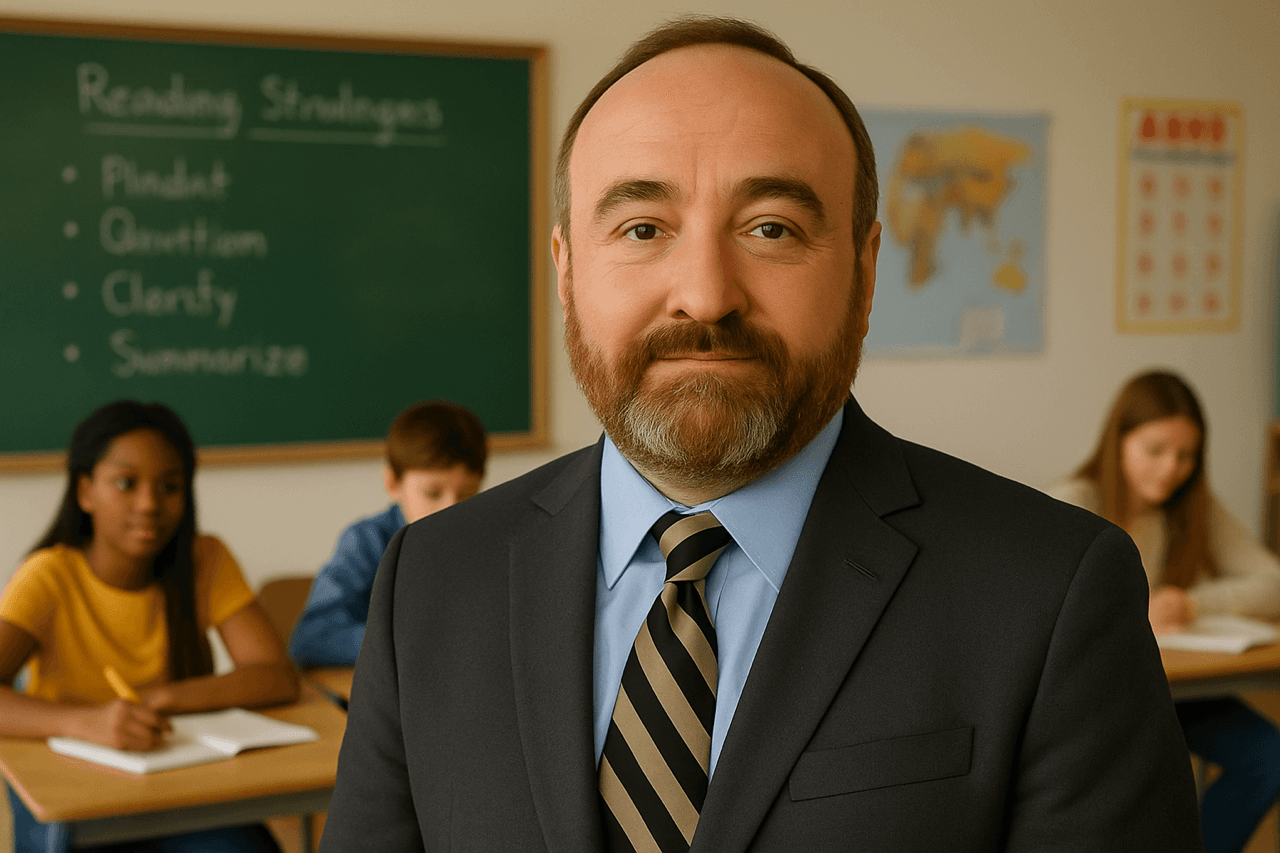
Special education classrooms across the country are discovering new approaches to help students with Individualized Education Programs (IEPs) build independence and academic confidence through structured support systems that go beyond traditional study hall formats.
Dr. Ryan Wydra, drawing from more than ten years of classroom experience, has developed a comprehensive framework that reimagines how resource rooms and study skills classes can serve as purposeful spaces for student development. His methodology focuses on strengthening executive functioning skills while fostering student ownership of their learning journey.
The approach outlined in Teaching Academic Seminar with Purpose addresses a common challenge in special education settings where resource rooms often function as unstructured study periods rather than intentional learning environments. By implementing specific routines and individualized supports, educators can create spaces where students develop both academic skills and life competencies.
Executive function strategies form the cornerstone of this educational framework. These cognitive skills, which include planning, organization, time management, and self-regulation, are essential for academic success but often present challenges for students with diverse learning needs. The methodology provides teachers with practical tools to explicitly teach and reinforce these skills within the context of daily academic work.
The transformation from traditional study hall to purposeful academic seminar involves several key components. First, educators establish clear routines that provide structure while allowing flexibility for individual student needs. Second, they implement research-driven strategies that target specific executive function deficits. Third, they create systems for tracking progress that demonstrate meaningful growth toward both academic and personal goals.
Real-world classroom examples demonstrate how these principles translate into practice. Students who previously struggled with assignment completion learn to break down complex tasks into manageable steps. Those who faced organizational challenges develop personalized systems for tracking homework and managing materials. The emphasis on building independence prepares students for success beyond the classroom walls.
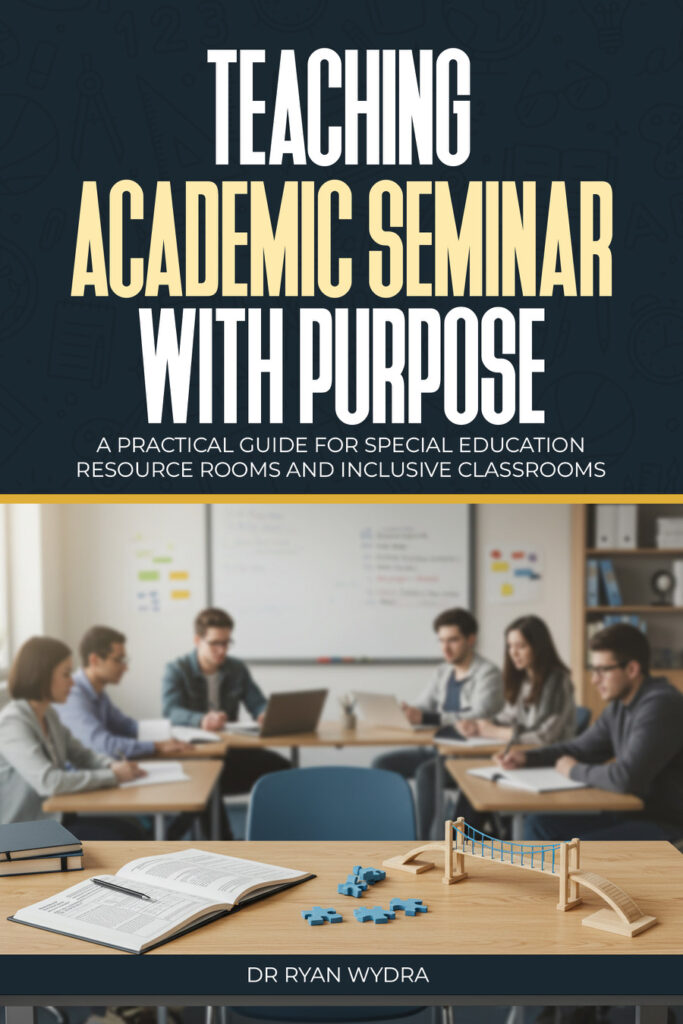
For new special educators entering the field, the framework provides clarity and direction in designing effective support systems. Veteran teachers find fresh perspectives and innovative approaches to enhance their existing practices. The comprehensive guide serves both audiences by balancing theoretical understanding with practical application.
School administrators and educational leaders are recognizing the potential impact of reimagining special education support services. When resource rooms operate with clear purpose and intentional design, they become catalysts for student growth rather than merely supervised study periods. This shift in approach aligns with broader movements toward inclusive education and student-centered learning.
Parents also play a crucial role in supporting executive function development. The strategies outlined in the framework extend beyond school walls, offering families practical ways to reinforce skills at home. This collaborative approach strengthens the support network surrounding each student and creates consistency across different environments.
The emphasis on building resilience alongside academic skills reflects a holistic understanding of student development. Students learn not only how to complete assignments but also how to navigate challenges, advocate for their needs, and develop confidence in their abilities. These life skills prove invaluable as students transition to higher education or career pathways.
Professional development opportunities for educators continue to evolve as schools recognize the importance of specialized training in executive function support. The practical strategies and research-driven insights provide a foundation for ongoing teacher education and collaborative learning among educational teams.
As schools nationwide work to improve outcomes for students with IEPs, the transformation of resource rooms into purposeful learning environments represents a significant step forward. By combining compassionate support with structured strategies, educators can create spaces where all students have the opportunity to develop independence, build confidence, and achieve their full potential.