

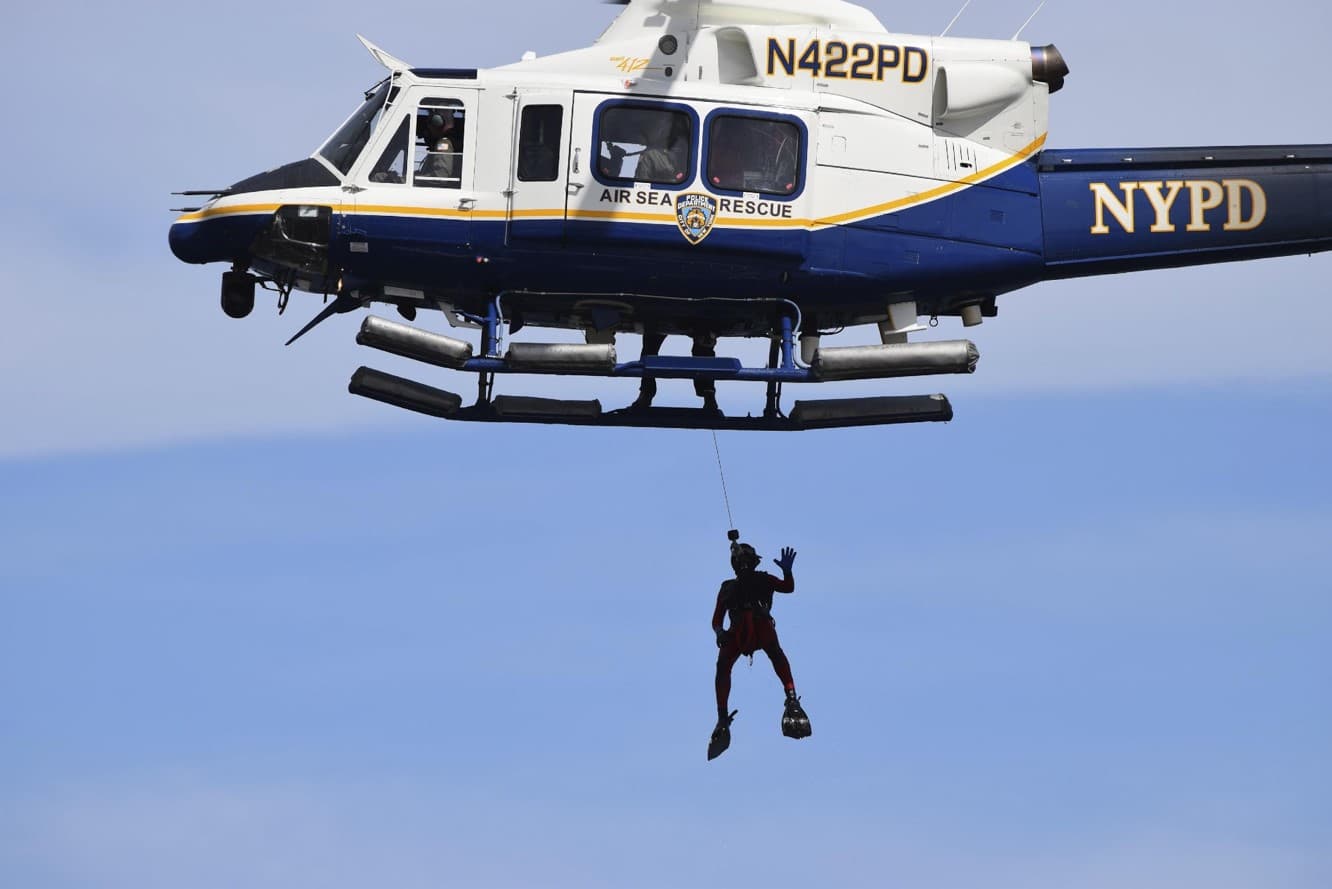
As extreme weather events and flooding incidents continue to rise across the United States, the demand for highly trained water rescue professionals has reached critical levels. The National Rescue & Response Institute , founded by Joseph Vulpis and Matthew Novellino, has emerged as a leading provider of specialized training programs designed to equip emergency responders with essential swiftwater rescue and rescue swimmer capabilities.
Water-related emergencies present unique challenges that require specific skill sets beyond traditional first responder training. Swift-moving floodwaters, unpredictable currents, and hazardous debris create environments where split-second decisions can mean the difference between successful rescues and tragic outcomes. Professional rescue teams, fire departments, and emergency management agencies increasingly recognize the necessity of comprehensive water rescue education for their personnel.
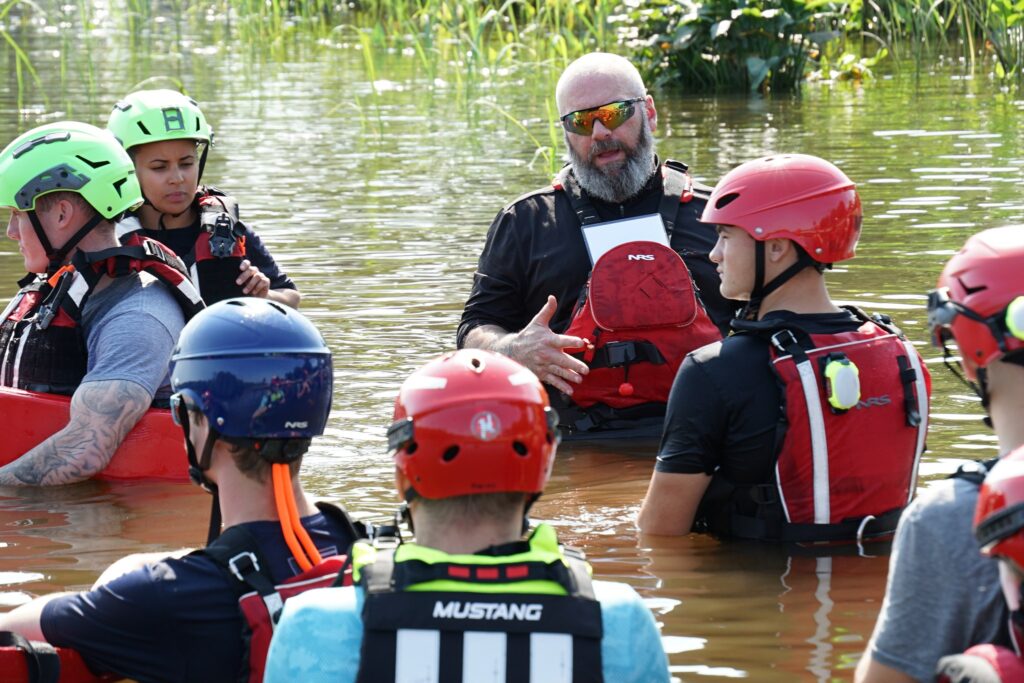
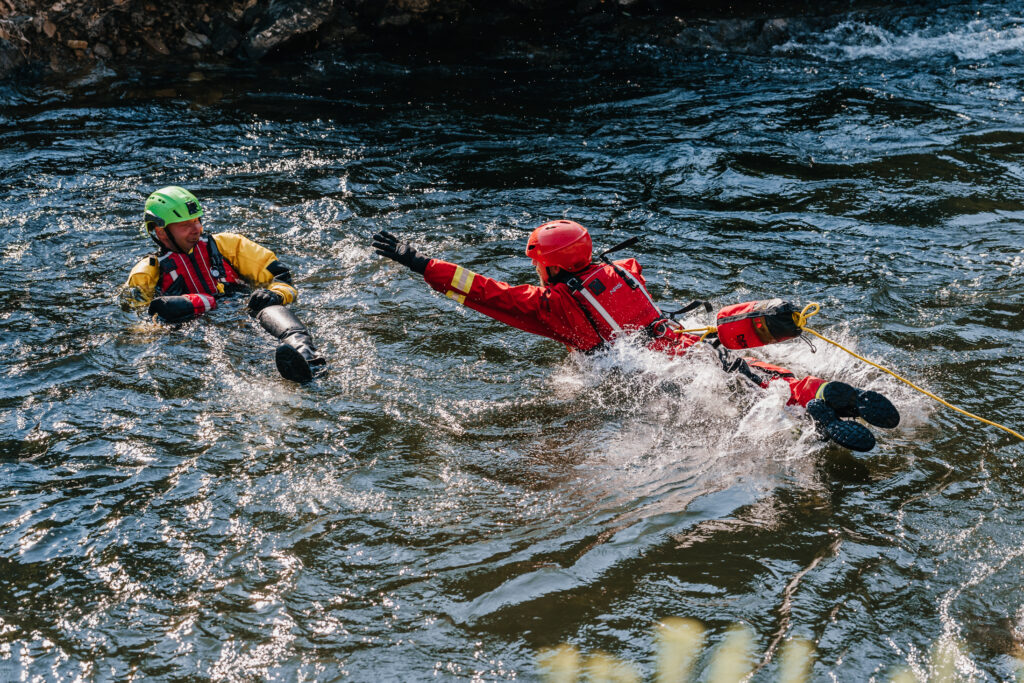
The institute's curriculum encompasses both swiftwater rescue techniques and rescue swimmer protocols, addressing the full spectrum of aquatic emergency scenarios. Swiftwater rescue training focuses on navigating fast-moving water environments typically encountered during floods, dam failures, and flash flood events. Participants learn essential skills including self-rescue techniques, victim assessment, rope systems, and boat operations specific to turbulent water conditions.
Rescue swimmer programs prepare professionals for open water scenarios, including ocean, lake, and river environments where swimming capabilities become paramount. These courses emphasize physical conditioning, advanced swimming techniques, victim approach methods, and equipment utilization in various water conditions.
Emergency response agencies nationwide face mounting pressure to maintain teams capable of responding to water-related incidents. Climate change has contributed to more frequent and severe flooding events, while recreational water activities continue to grow in popularity. This combination creates an environment where water rescue calls have become increasingly common for many departments previously focused primarily on land-based emergencies.
The specialized training programs attract participants from diverse backgrounds within the emergency response community. Fire departments send personnel to develop water rescue capabilities, while dedicated rescue teams seek advanced certifications. Law enforcement agencies, park services, and military units also recognize the value of maintaining water rescue competencies among their ranks.
Training methodologies combine classroom instruction with extensive hands-on practice in controlled water environments. Instructors utilize both pool facilities and natural water bodies to simulate real-world conditions. This approach ensures participants gain confidence handling equipment and executing rescue techniques before facing actual emergencies.
The physical demands of water rescue work require participants to maintain high fitness levels. Training programs incorporate conditioning elements alongside technical skill development, preparing responders for the stamina requirements of extended water operations. Equipment familiarization covers personal protective gear, communication devices, rope systems, and specialized watercraft designed for rescue operations.
Certification standards in water rescue fields continue to evolve as best practices advance and new technologies emerge. Professional development through recognized training institutions helps emergency responders maintain current certifications while adapting to changing protocols and equipment innovations.
Rural communities often face unique challenges in developing water rescue capabilities due to limited resources and personnel. The institute's training solutions help smaller departments build essential competencies despite budget constraints, potentially saving lives in areas where specialized rescue teams might be hours away.
The investment in professional water rescue training extends beyond individual skill development. Communities benefit from having locally trained responders capable of rapid deployment during water emergencies. This readiness proves especially critical during large-scale flooding events when mutual aid resources become stretched across affected regions.
As water-related emergencies continue to challenge communities nationwide, the availability of comprehensive training programs becomes increasingly vital. Professional instruction in swiftwater rescue and rescue swimmer techniques equips emergency responders with the specialized skills necessary to protect lives in aquatic environments, addressing a critical need in modern emergency response preparedness.