

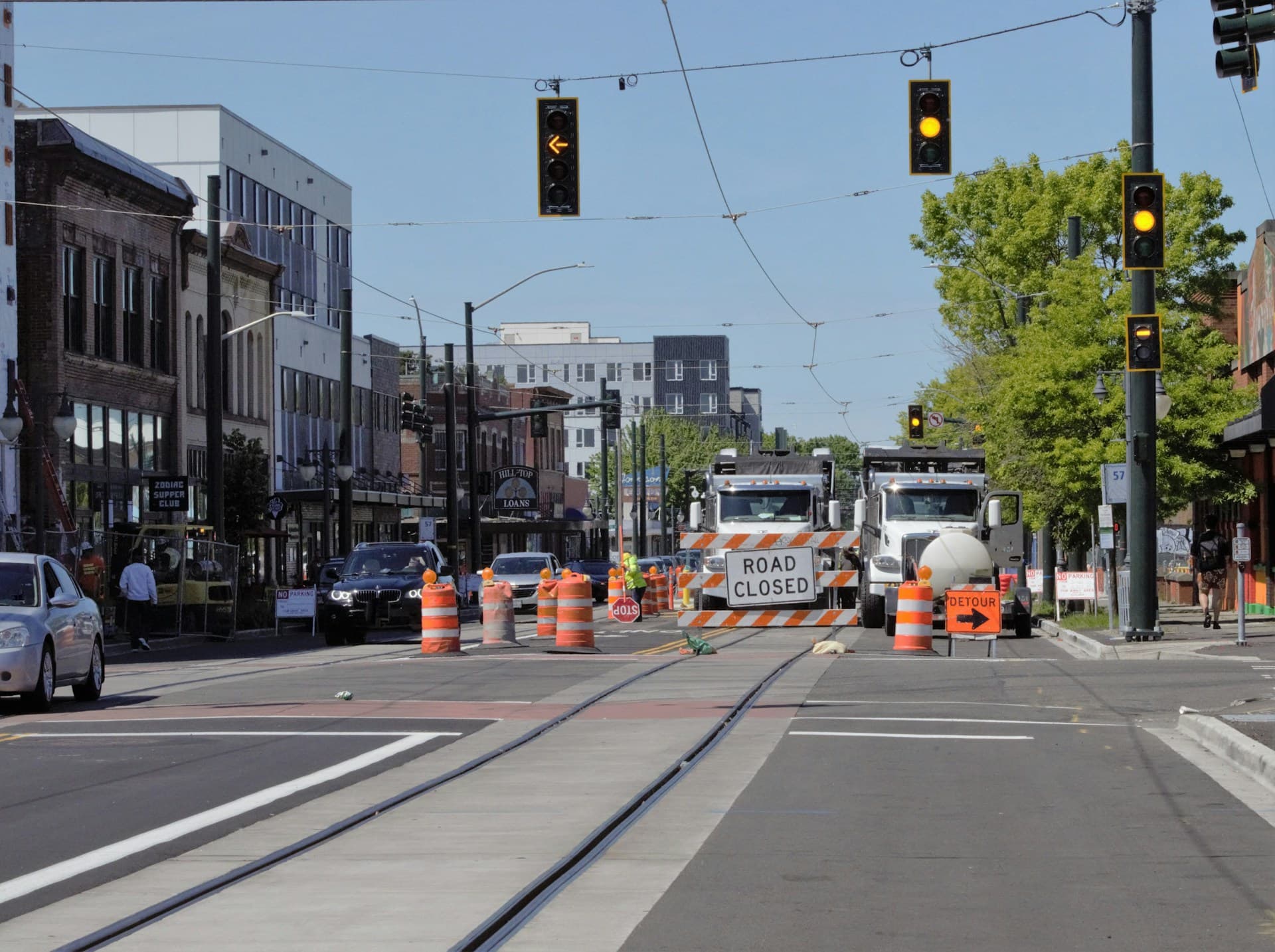
St. Petersburg officials announced yesterday a major acceleration of planned infrastructure upgrades across the city, responding to unprecedented population growth and concerns about climate resilience in the coastal Florida community.
The ambitious initiative, which increases the pace of several previously scheduled projects, will focus on stormwater management, transportation improvements, and utility modernization with a significant portion directed at flood-prone neighborhoods.
"This represents a proactive approach to building resilience for our future," said Mayor Ken Welch at yesterday's press conference. "By accelerating these critical improvements now, we're addressing immediate needs while preparing for continued growth."
The decision follows recommendations from the recently formed St. Pete Resident Task Force, which has been touring vulnerable neighborhoods since early May to identify priorities. The group, a collaborative effort between the city and the Tampa Bay Regional Planning Council, combines resident input with technical expertise to develop solutions for areas like Shore Acres and Riviera Bay.
Among the highest-priority initiatives is the $20 million upgrade to the Bartlett Lake/Salt Creek Pump Station designed to mitigate flooding around Lake Maggiore. The project involves constructing a new master lift station to increase stormwater conveyance capacity and implementing maintenance dredging of Bartlett Lake to remove accumulated sediment.
"These aren't just repairs – they're forward-looking investments," said Claude Tankersley, St. Petersburg Public Works Administrator. "Our infrastructure decisions today will determine how our city functions for decades to come."
The accelerated timeline coincides with anticipated federal funding from the Biden administration's infrastructure package and disaster recovery allocations through the city's Sunrise St. Pete initiative, which received $159.8 million in Community Development Block Grant-Disaster Recovery funds from HUD for recovery from 2023-2024 storms.
Transportation improvements figure prominently in the plan, building on the success of the city's Complete Streets initiative implemented in 2015. New protected bike lanes will expand the existing network, while pedestrian safety upgrades are scheduled for key corridors.
Kevin Batdorf, President of the Shore Acres Civic Association, welcomed the accelerated timeline. "Neighborhoods like ours have been asking for these improvements for years," he said. "The upgraded infrastructure is essential for our community's long-term viability."
City officials emphasized that denser development in downtown St. Petersburg will not strain the utility systems, countering concerns raised by some residents. According to Tankersley, the city's water and sewer infrastructure has capacity to accommodate growth, particularly since per-person water usage has decreased from 120-150 gallons per day a century ago to 78 gallons today.
The accelerated infrastructure program arrives as St. Petersburg continues its development boom, exemplified by the $6.5 billion Historic Gas Plant redevelopment project, the largest in Tampa Bay history. City leaders view the upgraded infrastructure as essential to supporting this growth while safeguarding against future climate threats.
Business leaders have praised the infrastructure push as crucial for economic development. The Pinellas County Economic Development office highlighted infrastructure quality as a key factor in recent corporate relocations to the area, including Foot Locker's decision to establish its global headquarters in north St. Petersburg.
Public workshops on specific project details are scheduled throughout the summer, with the first comprehensive session set for August at the Coliseum. Construction timelines have been condensed, with several major projects now expected to break ground before the end of the year.