

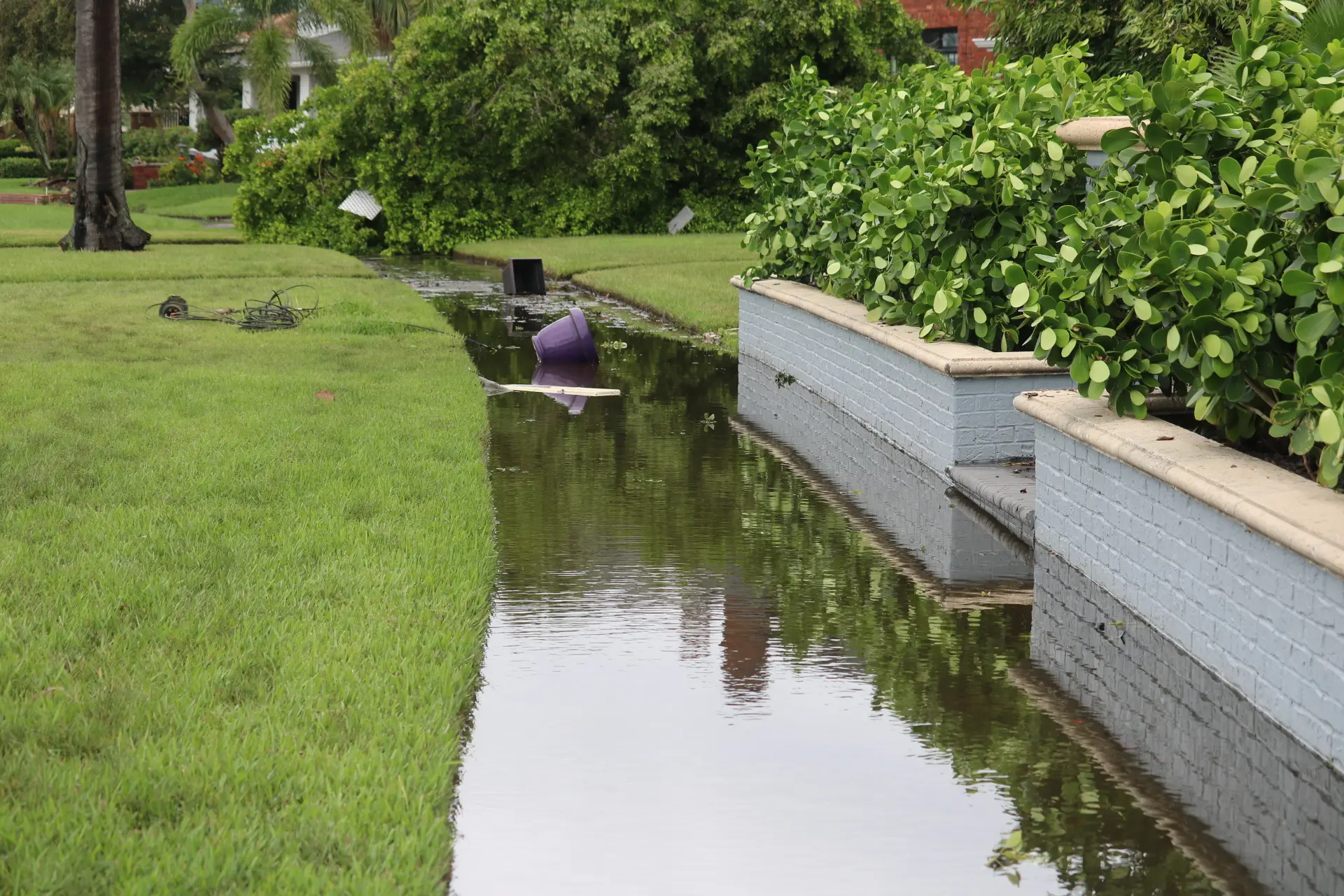
Rainy season has brought major flooding to communities across Tampa Bay, an issue residents have dealt with for years. As the region works to address those challenges, the Tampa Bay Coastal Master Plan has collected nearly 400 survey responses from residents about their experiences and concerns with flooding.
The four-year plan aims to strengthen regional resilience through data-driven science and community feedback, creating a blueprint for future projects that address flooding challenges across Tampa Bay.
Amanda Moore, Gulf Program senior director for the National Wildlife Federation, said the survey will remain open as the organization continues collecting information, particularly during rainy season.
“Love how much of the data capturing is from the community, and that's something innovative of what we are doing with the Tampa Bay Coastal Plan,” Moore said. “All the local governments being supportive and community group support, along with them all being actively involved, speaks to people understanding that this is an important investment for the region to make sure we are getting it right and it's accurate.”
After wrapping up the first part of community outreach and engagement, Moore shared some of the common themes identified through the process.
During listening sessions led by the University of Florida, residents commonly connected flooding with development across the region. Feedback indicated that residents believe increased development, aging infrastructure and environmental changes are contributing to worsening flooding.
Residents also discussed potential solutions, including improved infrastructure and stronger accountability. Flooding was described as a threat not only to homes and property, but also to residents' mental well-being.
Survey responses showed extreme rainfall was the most commonly reported flooding concern. Moore said 218 survey responses mentioned extreme rainfall as a leading cause of flooding concerns across Tampa Bay.
Another 135 responses identified storm surge as a concern, while 105 cited high tides and 26 mentioned inland river flooding.
Beyond identifying flood zones, residents reported a variety of impacts, including damage to homes and property, disruptions to commutes, drainage issues, vehicle damage and loss, pest problems, displacement and relocation, and saltwater intrusion.
Moore said one of the major themes was that residents believe development is worsening the impacts of rainfall.
“People have a good sense of what's happening in the environment and what's changing,” Moore said.
Some of the solutions discussed during the outreach process focused on nature-based approaches, including mangrove restoration and preserving green spaces to help communities withstand flooding.
As community outreach continues through the end of the year, the master plan team will analyze the collected data and begin developing project ideas. The next phase will include a public call for projects and follow-up workshops to help determine the most effective projects for different areas.
“This community input will be used in conjunction with technical data led by an engineering and science team to evaluate and prioritize projects.,” Moore said.
Following the project development and workshops, the master plan will be drafted, with a final plan expected in 2028.
Residents can continue providing feedback through the flood survey, workgroups and upcoming events. Residents can also sign up for newsletters to stay informed about the plan's next major milestones.