

Residents across Tampa Bay can expect heightened pest activity this summer following one of the warmest winters on record. Tampa is among the top 10 locations in the country projected to see the largest increase in pest activity in 2026, according to Aptive Pest Control.
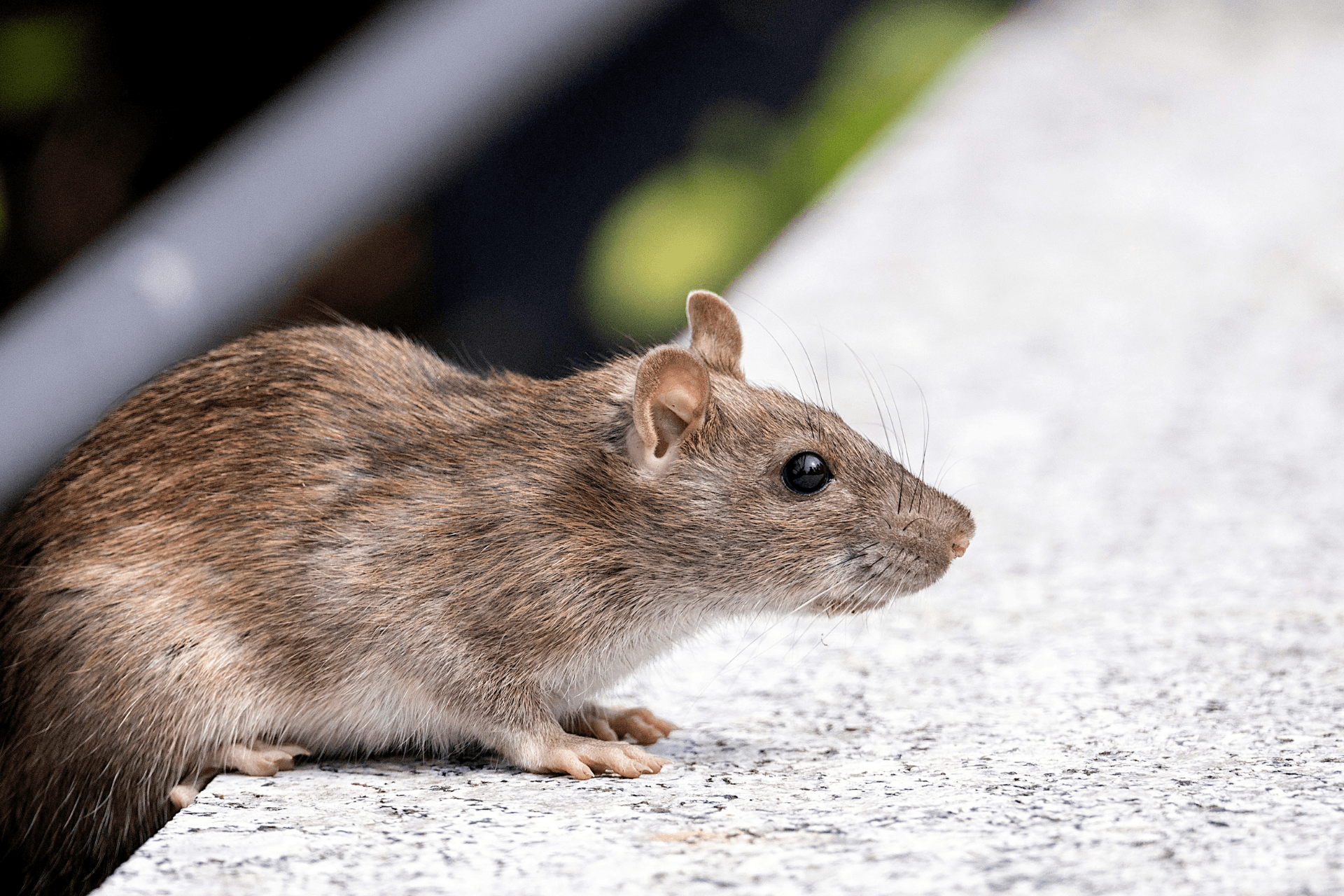
According to Aptive’s analysis, Tampa ranked No. 10 nationally for ant activity, with a 64% increase, and No. 10 for wasp activity, with an 81% increase. The city also ranked No. 8 for rodent activity, which increased 81% compared to previous trends.
Using more than 500 million data points from 76 U.S. markets, Aptive Pest Control analyzed pest activity and tracked regional trends.
“Pest activity is expected to be higher than in previous years across much of the country, including Florida,” said Isaac Rockwell, Aptive’s resident entomologist. “One of the biggest drivers is that this past winter was one of the warmest winters on record, which allowed more insects to survive into spring instead of dying off during prolonged cold weather. Those larger overwintering populations are now reproducing throughout the summer.”
Rockwell said Tampa’s warm temperatures, high humidity and afternoon thunderstorms create ideal breeding conditions for mosquitoes, ants, flies and other pests.
“Homeowners should pay attention after heavy rainfall, when mosquitoes rapidly reproduce in standing water and ants often move indoors searching for dry pathways,” Rockwell said. “Late summer also typically brings an increase in spider activity as insect populations peak, while overwintering pests begin looking for sheltered entry points into homes ahead of cooler weather.”
While pest activity is monitored year-round, summer typically brings peak activity for ants, mosquitoes, wasps and flies.
“Pest pressures continue into the fall. As temperatures begin to cool, insects like stink bugs and rodents start searching for sheltered places to overwinter, making homes more attractive,” Rockwell said. “Late summer also marks the beginning of this seasonal transition, which is why sealing entry points before fall is an important preventive step.”
Understanding common pest patterns can help Tampa Bay renters and homeowners manage infestations or prevent them before they begin.
“Even a small pest issue can quickly turn into a larger infestation, as many insects reproduce rapidly in Florida’s favorable conditions,” Rockwell said. “Simple, proactive measures, such as eliminating standing water, controlling excess moisture, maintaining landscaping and sealing cracks or other entry points around the home, can go a long way in reducing pest pressure.”
Residents can also help prevent infestations by keeping tree branches and landscaping away from homes to reduce the risk of termites and flying ants entering structures.
“Internet clickbait articles contain a lot of misinformation, and many of the DIY or home remedies for pest issues are ineffective or will exacerbate the issue,” Rockwell said. “If an individual is looking for pest management advice, they should stick to university extension agency fact sheets, consumer information from industry professionals, or recommendations from regulatory agencies that oversee the pest control industry.”
Rockwell recommends residents reach out to local pest control specialists with questions or consider a treatment plan to maintain year-round prevention.