
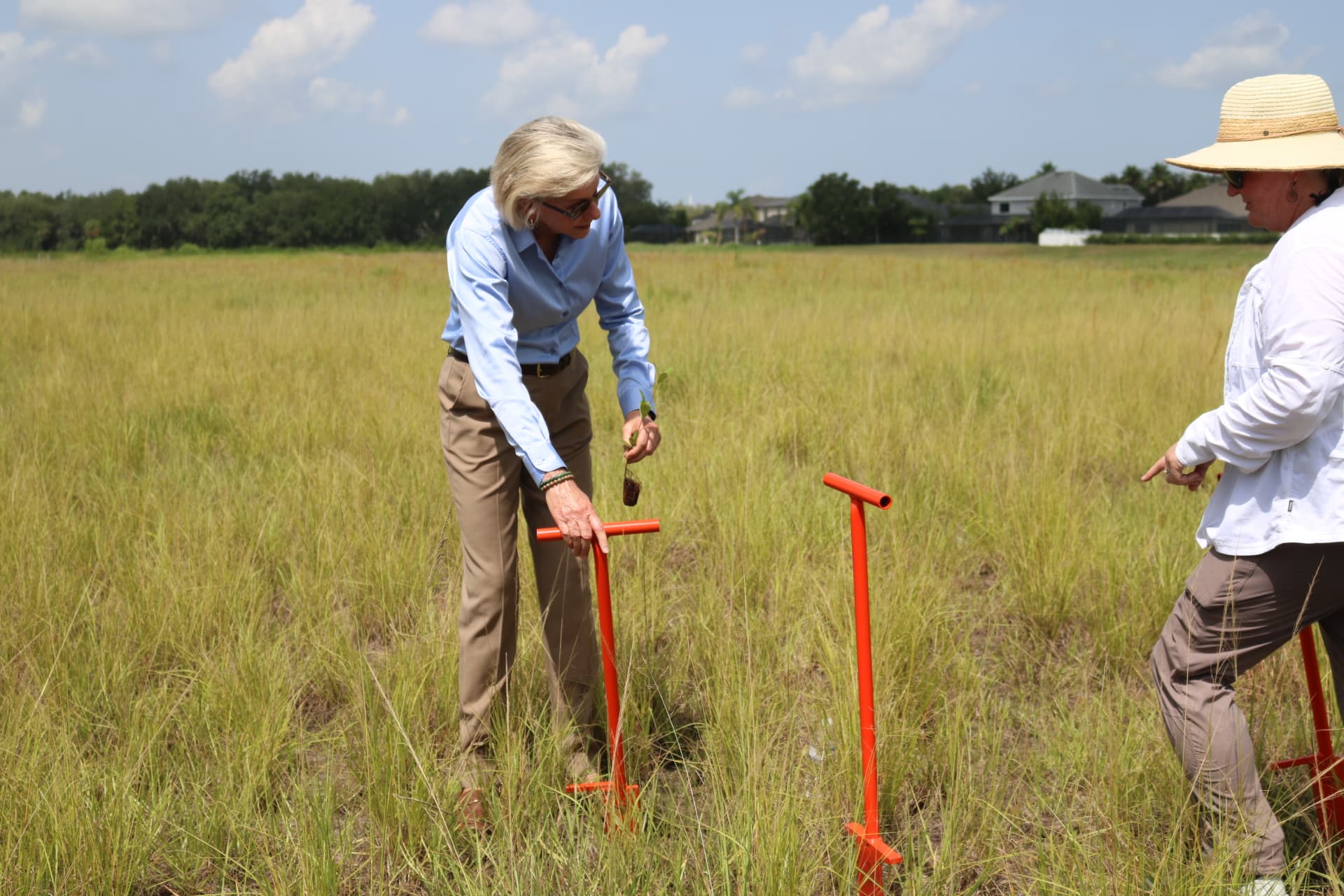
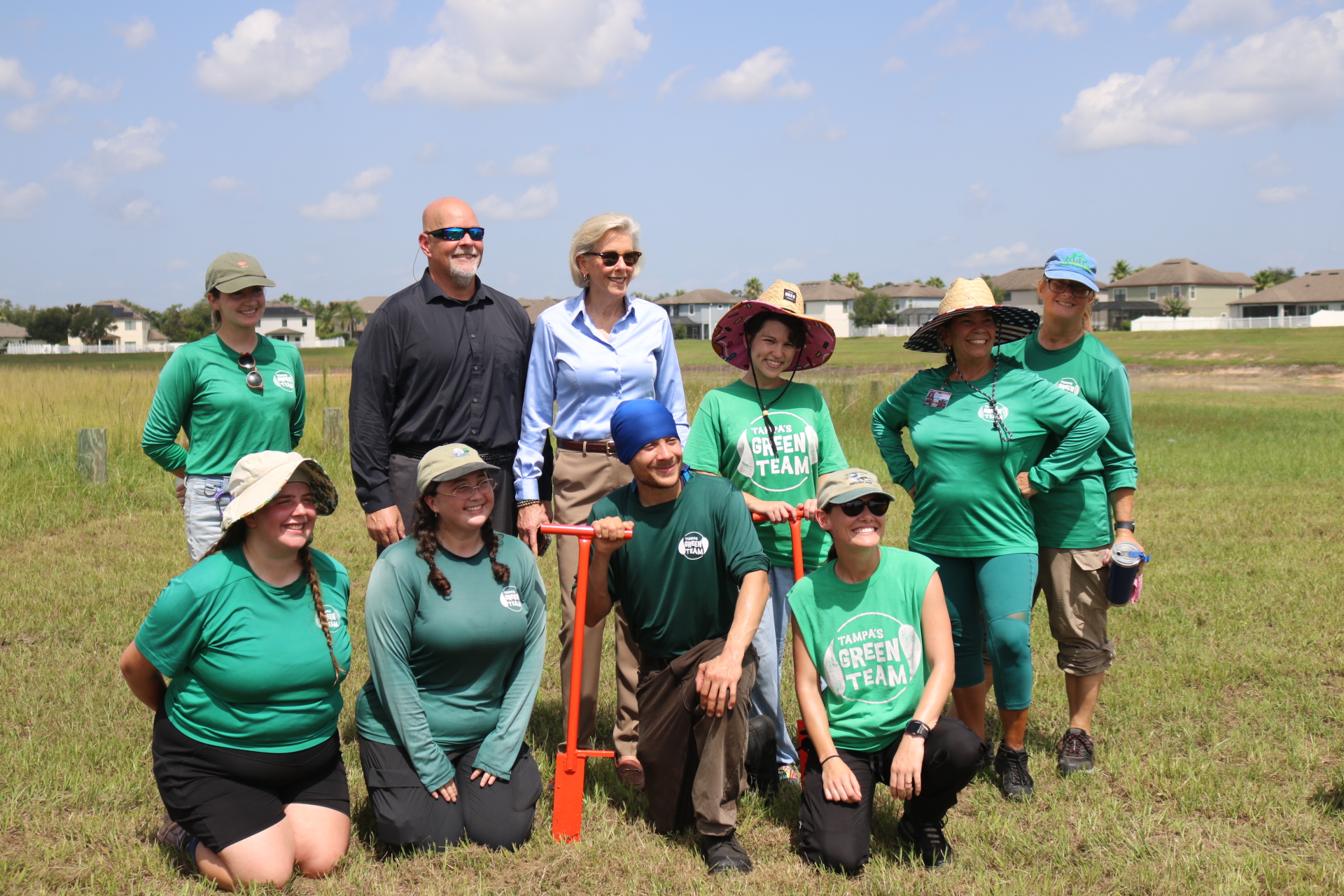
Despite the scorching heat, around 100 volunteers planted 3,500 trees across 11 acres at the future park site in New Tampa's K-Bar Ranch.
In December, the City of Tampa's Green Team planted 6,800 tree saplings at the site over five days. City officials said the pine trees planted during that effort have already doubled in size.
The planting initiative is part of Mayor Jane Castor's goal of planting 30,000 trees throughout the City of Tampa by 2030.
"Every five years, USF does a study, and we were recognized historically as having one of the best tree canopies worldwide," Castor said. "That has declined, not by much, but we want to see that increase rather than decline. At one point, we had 34% canopy coverage, and now we're down to right around 30%."
Castor said the decline is due to development, public works projects and diseases affecting trees.
"We want to make sure we are addressing these issues and planting as many trees as we possibly can," Castor said. "It takes all types of trees."
During the planting event, Parks and Recreation staff, the Green Team and volunteers with Keep Tampa Bay Beautiful planted 1,800 live oaks and 1,700 sand live oaks.
The 56-acre property will become a neighborhood park with a wraparound trail and more than 10,300 trees. In the coming days, residents will be able to choose from up to four park designs for the future park.
"I am very proud to say that since we announced our goal of 30,000 trees, we're over halfway to that goal, so this is a very exciting day for us," Castor said.
Trees not only provide shade from the heat, but also help reduce stormwater runoff and improve air quality.
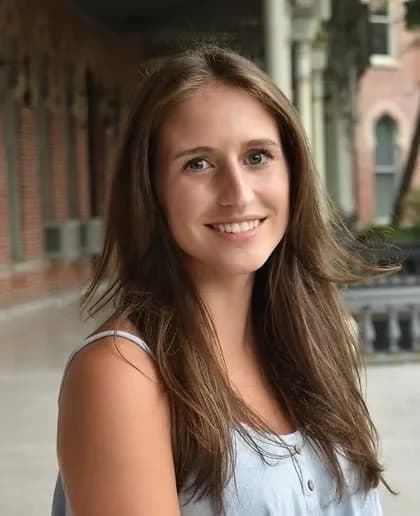
Danielle Riffenberg, a landscape architect and certified arborist, said all of the trees planted are native to the area.
"When we plant trees, I'm not planting trees for myself. This is for my kids and my grandkids and my great-grandkids," Riffenberg said. "These are not things that I will see, but these pines do grow pretty quickly, so that has been really nice to see."
While not all of the trees will become large canopy trees, Riffenberg said they will still provide many of the same environmental benefits.
"All trees are going to provide some of that water service. They intercept rainwater and get evaporative cooling through transpiration, so they have cooling properties in that form. All trees, native or not native, big or small, are going to infiltrate or intercept a lot more water," Riffenberg said.
By 11 a.m., all 3,500 trees had been planted. Since 2023, the city has planted 16,838 trees toward its goal of 30,000 by 2030.